Subject: Cards
-

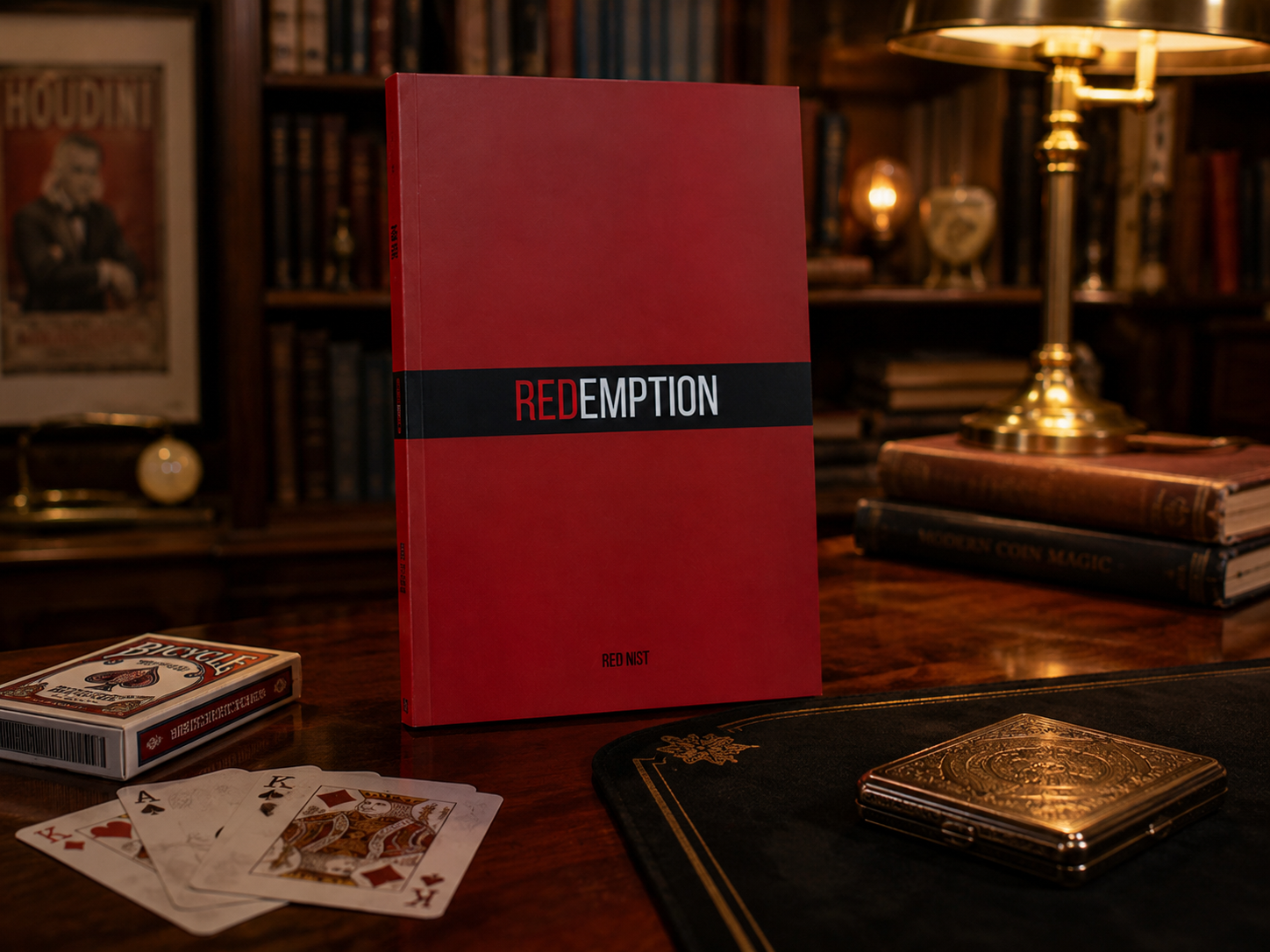
Redemption
SYNOPSIS: Redemption is a compact collection of six card routines by French magician Red Nist. The material is built around his pursuit of “pure” magic: direct effects, economical handling, justified actions, and psychological subtleties that alter how spectators interpret what they see. Alongside the methods, Nist discusses the stories, development, and creative thinking behind the routines.…
-
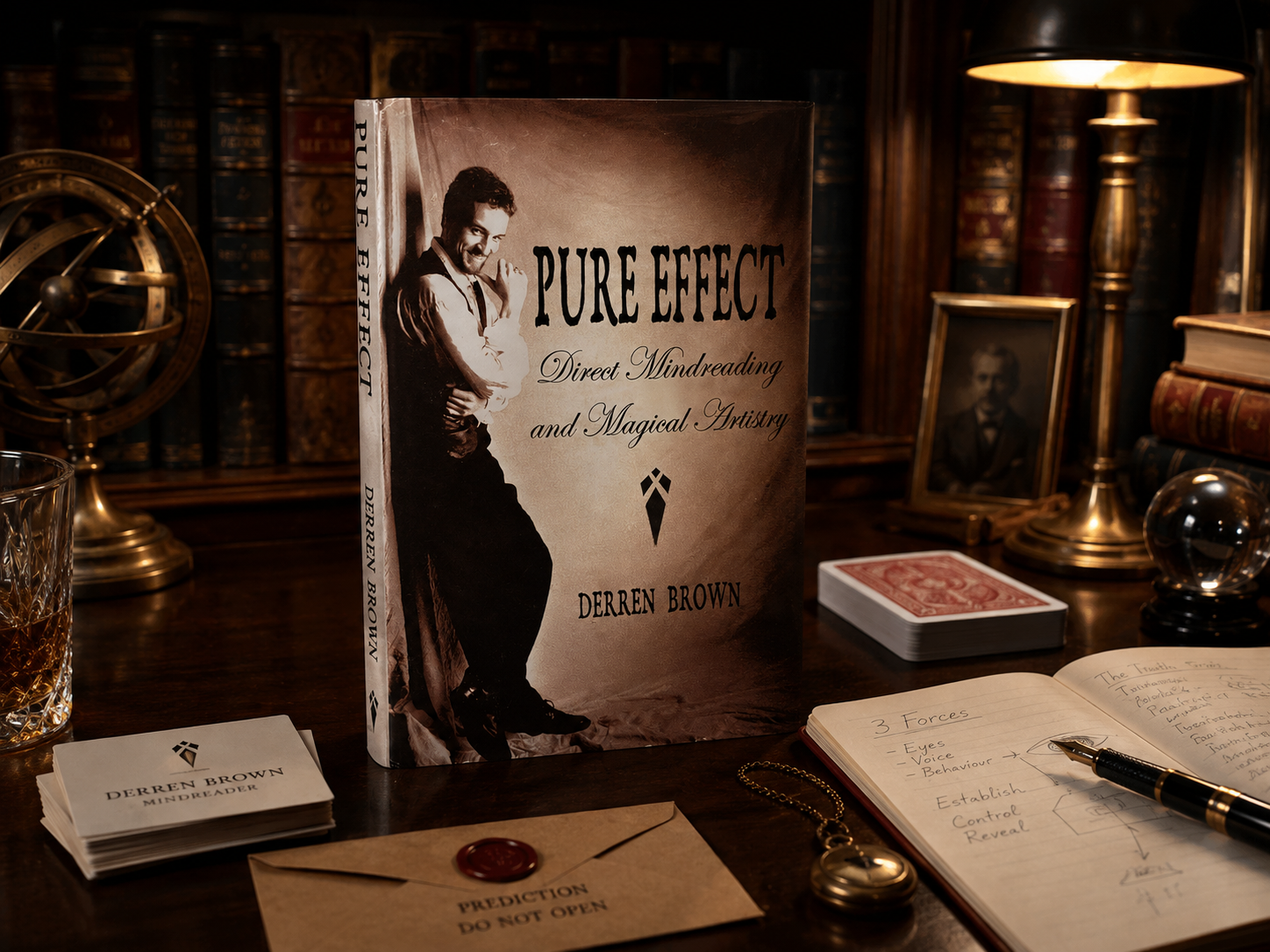
Pure Effect
SYNOPSIS: Pure Effect: Direct Mindreading and Magical Artistry combines practical card magic and mentalism with Derren Brown’s early thinking about performance, spectator management, risk, psychological framing, and the theatrical appearance of genuine mind reading. Rather than treating mentalism as a sequence of predictions and revelations, Brown argues that the performer should make the process of reading or influencing…
-
Phoenix Series
SYNOPSIS: The Phoenix: Issues 1–300 is the complete run of the influential biweekly magic periodical published from January 1942 through February 1954. Walter B. Gibson helped establish and initially edit the magazine with Bruce Elliott, who became its principal editor during the run. Conceived as a successor in spirit to Theodore Annemann’s The Jinx, each compact four-page…
-
Pet Secrets
SYNOPSIS: Al Baker’s Pet Secrets collects a wide-ranging selection of Al Baker’s professional routines, utility techniques, and practical methods for close-up, parlor, and platform magic. The book is organized by branches of magic rather than as a progressive beginner’s course, beginning with Baker’s influential work using hair and thread for secret animation, levitation, rising-card effects, and…
-
Paramiracles
SYNOPSIS: Paramiracles presents the professional mentalism of Ted Lesley, organized and written with Stephen Minch. The book contains more than three dozen routines, techniques, utility devices, and performance essays developed from Lesley’s working repertoire. Its material ranges from intimate billet and business-card demonstrations to predictions, psychometry, book tests, card divinations, metal bending, newspaper effects, and larger…
-

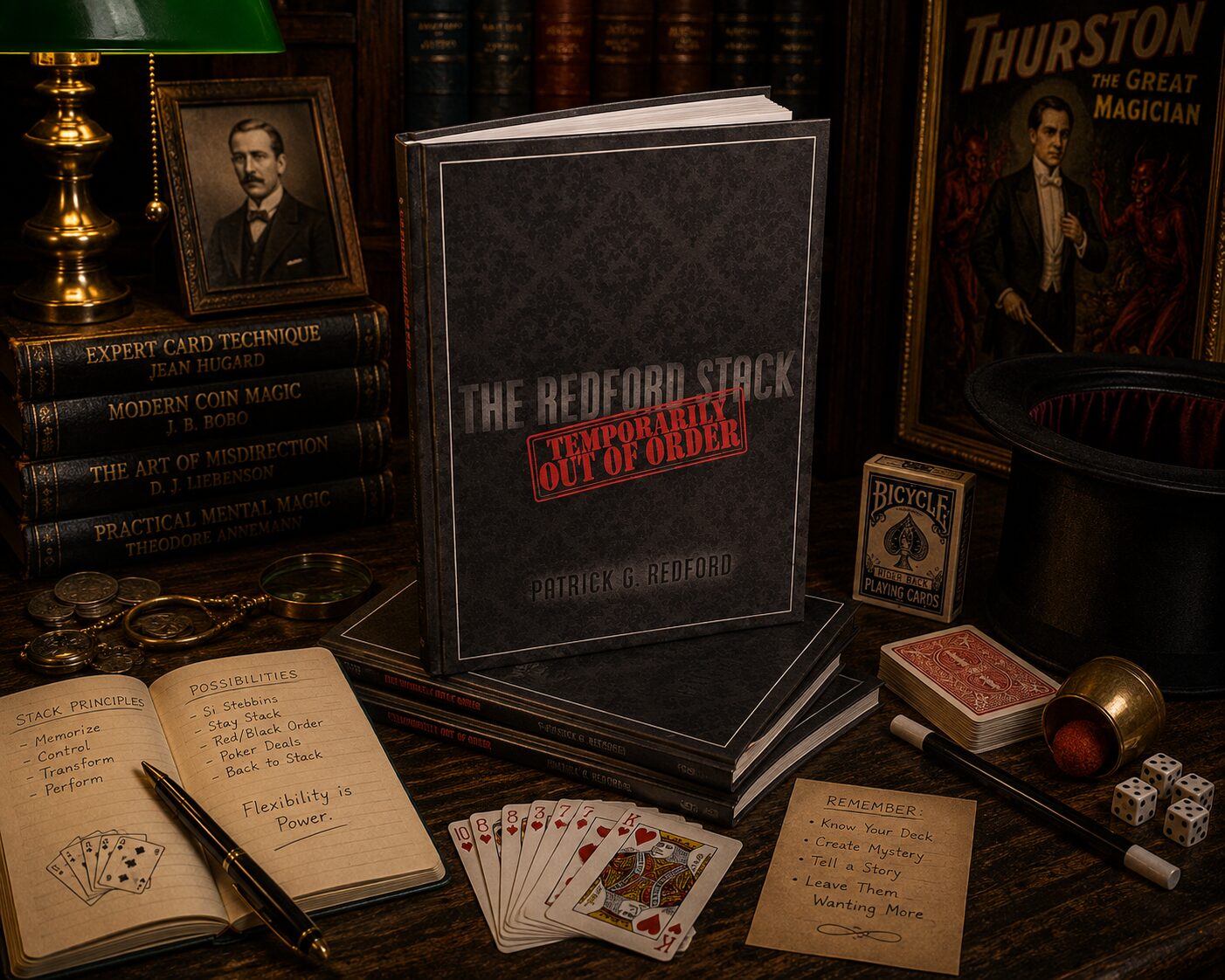
Temporarily out of Order
SYNOPSIS: Temporarily Out of Order is Patrick G. Redford’s foundational study of memorized-deck magic and the first volume in his Out of Order series. The book introduces the Redford Stack, a memorized order designed not merely to remain fixed, but to transform efficiently into other useful arrangements during performance. These include Si Stebbins, parallel and mirror or stay-stack configurations,…
-
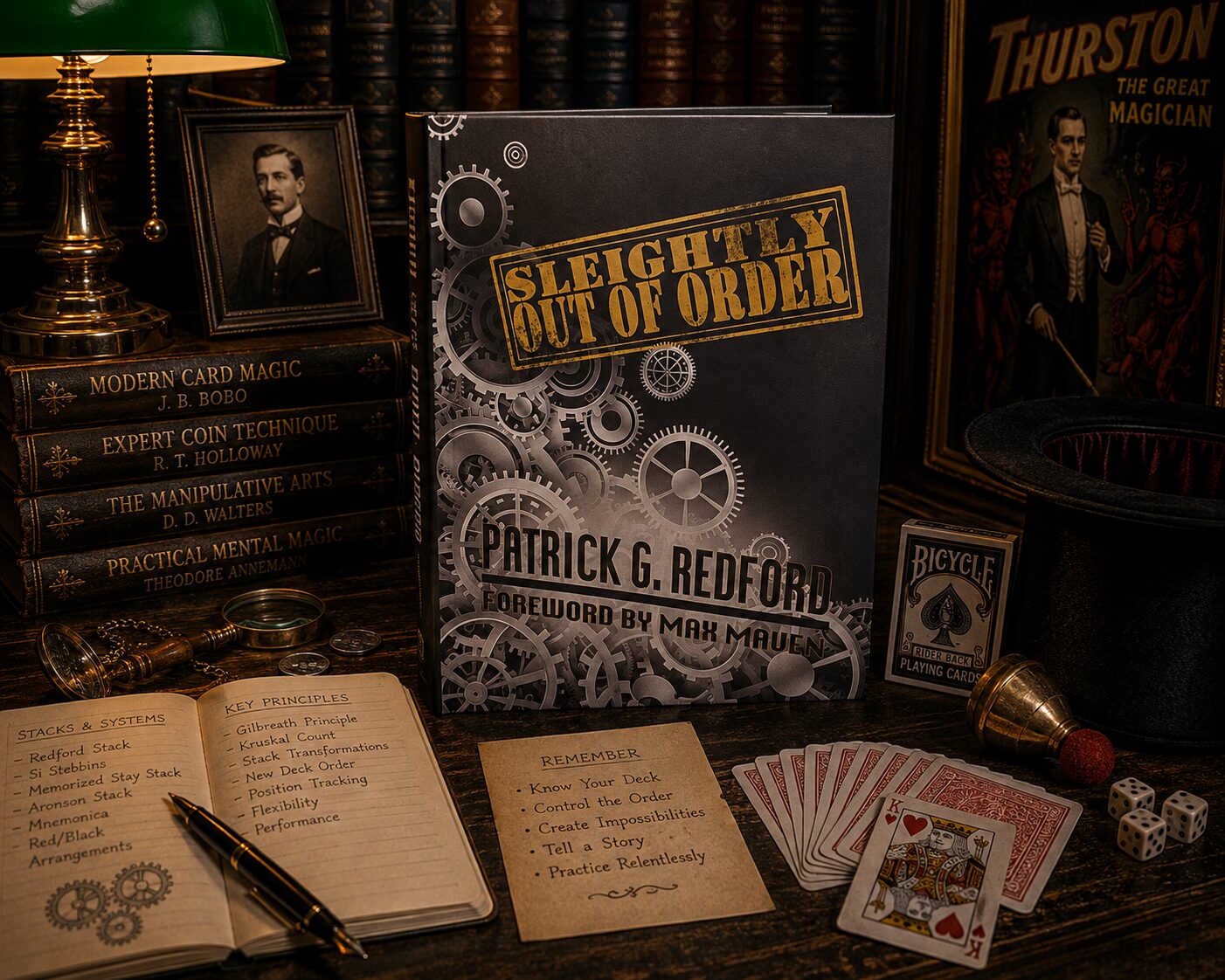
Sleightly out of Order
SYNOPSIS: Sleightly Out of Order is the second volume in Patrick G. Redford’s Out of Order series, expanding his work with memorized decks, stacked-deck systems, and the Redford Stack. Although it follows Temporarily Out of Order, the book is designed to stand alone and includes enough background for readers to begin without owning the first volume. Only a small…
-
Out of Control/Totally out of Control
SYNOPSIS: Totally Out of Control is Chris Kenner’s influential collection of original close-up magic, combining highly visual card and coin routines with an irreverent writing style, cartoons, puzzles, and unconventional presentations. The book documents Kenner’s practical, inventive approach: effects are designed to be direct and memorable, even when accomplishing that clarity requires demanding technique. The coin…
-
Openers
SYNOPSIS: Openers is an anthology of more than forty performance-tested routines contributed by professional magicians, each chosen because the contributor uses it to begin a show, close-up set, or walk-around encounter. Rather than concentrating on one magician’s style, the book presents many approaches to establishing attention quickly, introducing the performer’s personality, involving spectators, and creating a…
-
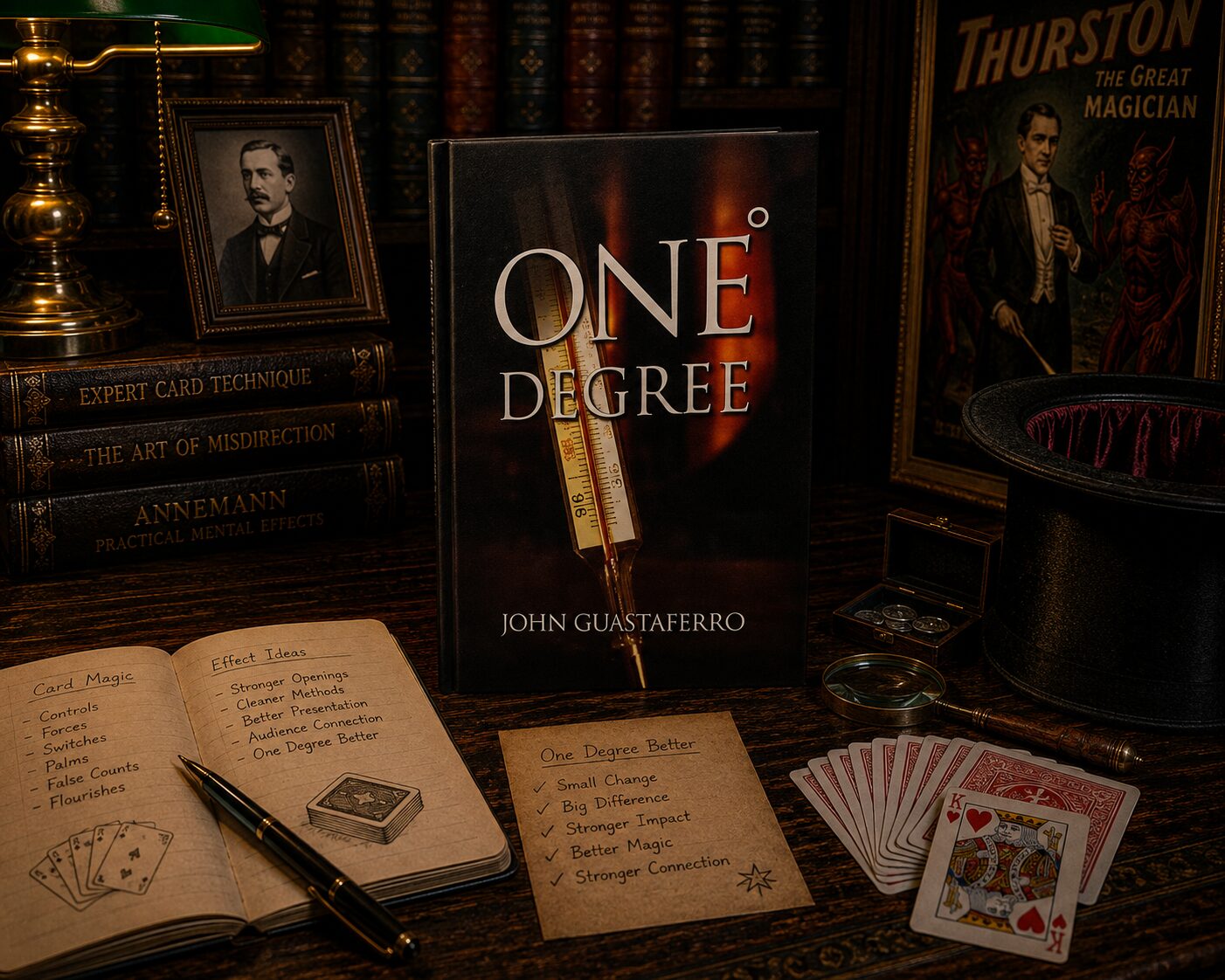
One Degree
SYNOPSIS: One Degree is John Guastaferro’s collection of twenty polished card routines built around a simple creative principle: small, thoughtful improvements can produce a major difference in clarity, impact, and audience response. Rather than reinventing every effect completely, Guastaferro examines how subtle changes in handling, structure, presentation, timing, and spectator involvement can elevate familiar plots into…